Tuesday, December 06, 2011
New website!
I am pleased to announce the launch of my website. The blog where you now find yourself some background to the Reciprocal Interference project.

Tuesday, July 20, 2010
About the Reciprocal Interference project
A little history may help to introduce Reciprocal Interference. In 2005, when Sue Rawlinson was visiting Macao, we had a conversation about our respective art practices. During this discussion I described to Sue a work of art that I was currently researching. Entitled Underground (1994-5), the piece is a mixed media work on paper by the South African Amsterdam-based painter Marlene Dumas and her (then) 5-year-old daughter Helena. It consists of twenty eight unframed panels, each depicting a close-up representation of a face, which are arranged in a grid on the gallery wall. When I first saw Underground in London’s Tate Gallery in 1996, I was struck by its disjunctive appearance. Almost all of the panels contain two radically different styles of mark-making. Helena’s bold rainbow-coloured palette jars against her mother’s restrained black and white ink painting. In order to give Helena something to do while Dumas got on with her own work, she gave Helena a stack of her ‘failures.’ The Tate catalogue cites the artist’s account of what followed: Helena decorated, improved and worked on my black and white drawings, which she found boring, with colour. ‘It was her underground.’ She worked against me. I allowed her to play with my drawings so I could do other work. This was not set up as an art project in the first place. She ‘recast’ my original models into her own stories. One was kidnapped, she said, and one walked into a horse.[1]My research on Underground explored its transgressive features and the senses in which the work instantiates a kind of artistic gift-exchange.[2] As visual art practitioners, however, what Sue Rawlinson and I found inspiring about Underground was its apparent playfulness: it models a way of working without thinking or planning too much. We were also struck by the way the series functioned to ‘rehabilitate’ failed or uncompleted works, and how such a process might amount to a kind of mutual encouragement and validation. Inspired by Underground, we resolved to create a series of small pieces together, mailing works-in-progress between Macao and Australia.A few rules for the collaboration were established from the outset. It was agreed that subject matter and medium would be kept open. We decided not to communicate verbally about our intentions for works we had started, nor to send each other accompanying messages, directions or titles. A consistent format was chosen—A4-sized panels are an easy size to mail and to scan. We agreed to send each other 5 pictures at a time, in hopes that at least one of the five ‘starts’ might prove particularly engaging for the other artist. The rules for the collaboration also involved a ‘stopping rule’[3] and a decision regarding who would own the completed works. It was agreed that the person who started the work would be the one to declare it finished. This meant a picture could go back and forth many times—indeed some went back and forth over a period of years—before it was decided it was finished. It was also agreed that the originator of a piece would become its eventual owner. Of the aforementioned rules, the most important was the one concerning the absence of accompanying instructions. The thinking here was that the project was to be a process of visual communication, with the fostering playful exchange taking precedence over the realisation of any explicit artistic intentions.In early 2006, I wrote to Sue Taylor, Johanna Trainor, Even Mak and Mary Grehan to see if they’d be interested in working with me in a similar manner. I initiated these new collaborations by citing the existing work being done with Sue Rawlinson. Irish artist Mary Grehan and I chose to follow the ‘rules’ outlined above, while some other artist-pairs modified them. For example, Hong Kong artist Even Mak and I, because of our geographic proximity, chose on occasion to work simultaneously while the Reciprocal Interference works produced in collaboration with Johanna Trainor, entailed the latter working photographically and digitally to finish scanned watercolour and mixed media ‘starts’ that I sent to her. And at a certain point in the collaboration with Sue Taylor, we recognised that our best pieces were the ones involving only ‘two goes,’ so we adopted a procedure whereby we each completed the other artist’s ‘starts’. The most recent phase of the Reciprocal Interference collaboration with Sue Taylor involves the production of collaborative as well as solo postcards, incorporating our addresses, postmarks and stamps.The title of the project was inspired by a passage from Henri Bergson's essay Laughter. In this essay Bergson identifies a number of dynamics through which humor is generated. One of these he calls ‘reciprocal interference.’ In a footnote to the essay Bergson notes that the term ‘interference’ should be understood as it is in optics, to mean ‘the partial superposition and neutralisation, by each other, of two series of light-waves.’ He goes on to describe how a situation ‘will invariably be comic when it belongs simultaneously to two altogether independent series of events and is capable of being interpreted in two entirely different meanings at the same time.’[4] We felt that this was an apt title for our project. Our aim was not explicitly to produce comic works, although there was definitely a comic aspect to the process of surprising each other by the additions and changes we made to each other’s works. The main reason for choosing this title had to do with the fact that, like the comic situation identified by Bergson, the collaborative works in our project each bring together two different kinds of subject matter and/or style, so that interpretation often becomes a matter of negotiating the two. Like Bergson’s definition of a joke, when these two ‘waves’ meet, the resulting work often comes as a surprise. Whatever one’s intentions had been, they may be completely overturned by the other artist. The ‘interference’ that is a key part of this artistic project isn’t just about any ideas one might have had about the meaning of the work one had started. It covers the most basic of details. One might intend a work to have a certain orientation, for example, but it might end up another way around, changing from portrait format to landscape.It is in this sense that the resulting works appear to have come out of thin air rather than by as the result of any conscious intention or plan. However, as I hope to have shown, planning and theoretical research actually played a significant part in the development of these pictures. Conversely, the questions and insights generated by first-hand experience of creative collaboration have been vital for my background research on the topic of contemporary artistic collaboration. ‘Hands-on’ experience allows me to formulate research questions of a kind that might not occur to the non-practitioner.A series of blogs document the work-in-progress of the five artist-pairs, all of which are accessible through a blog entitled ‘About Reciprocal Interference.’[5]
Friday, June 04, 2010
Out of Thin Air – collaborative and solo work
Out of Thin Air – collaborative and solo work
憑空而來—個人及合作畫展
Carol Archer
The works in this exhibition are part of two larger series of work, both of which are ongoing: the Reciprocal Interference project and Time with the Sky. The Reciprocal Interference project consists of two-person collaborative works by Carol Archer and artist-friends Sue Rawlinson, Sue Taylor, Johanna Trainor (Australia), Mary Grehan (Ireland) and Even Mak (Hong Kong). The Time with the Sky series of charcoal and watercolour drawings was begun during Archer’s residency at Bundanon, Australia in July 2009. Australian artist Arthur Boyd and his family gave their home, a splendid property on the banks of the Shoalhaven River, to benefit local and international artists working across the range of arts disciplines. The Time with the Sky drawings show sky framed by the uppermost branches of trees. Solo works, these pictures are destined to contribute to a cross-disciplinary collaboration with poet Christopher (Kit) Kelen. Both series of work came out of thin air: Reciprocal Interference works-in-progress were air-mailed by collaborating partners in Hong Kong, Macao, Australia and Ireland. The Time with the Sky works are inspired by the big Australian sky, and the eucalypts that stretch up toward it. But the exhibition title Out of Thin Air is also ironically intended, because seemingly unpredictable aspects of the two series are in fact the result of sustained thought and effort, dialogue, and conducive circumstances. The purpose of this essay is to introduce the two series in the Out of Thin Air exhibition, discussing how they came into being, and the productive synergy between these art practices and more theoretically-oriented forms of research.
A little history may help to introduce Reciprocal Interference. In 2005, when Sue Rawlinson was visiting Macao, we had a conversation about our respective art practices. During this discussion I described to Sue a work of art that I was currently researching. Entitled Underground (1994-5), the piece is a mixed media work on paper by the South African Amsterdam-based painter Marlene Dumas and her (then) 5-year-old daughter Helena. It consists of twenty eight unframed panels, each depicting a close-up representation of a face, which are arranged in a grid on the gallery wall. When I first saw Underground in London’s Tate Gallery in 1996, I was struck by its disjunctive appearance. Almost all of the panels contain two radically different styles of mark-making. Helena’s bold rainbow-coloured palette jars against her mother’s restrained black and white ink painting. In order to give Helena something to do while Dumas got on with her own work, she gave Helena a stack of her ‘failures.’ The Tate catalogue cites the artist’s account of what followed:
Helena decorated, improved and worked on my black and white drawings, which she found boring, with colour. ‘It was her underground.’ She worked against me. I allowed her to play with my drawings so I could do other work. This was not set up as an art project in the first place. She ‘recast’ my original models into her own stories. One was kidnapped, she said, and one walked into a horse.[1]
My research on Underground explored its transgressive features and the senses in which the work instantiates a kind of artistic gift-exchange.[2] As visual art practitioners, however, what Sue Rawlinson and I found inspiring about Underground was its apparent playfulness: it models a way of working without thinking or planning too much. We were also struck by the way the series functioned to ‘rehabilitate’ failed or uncompleted works, and how such a process might amount to a kind of mutual encouragement and validation. Inspired by Underground, we resolved to create a series of small pieces together, mailing works-in-progress between Macao and Australia.
A few rules for the collaboration were established from the outset. It was agreed that subject matter and medium would be kept open. We decided not to communicate verbally about our intentions for works we had started, nor to send each other accompanying messages, directions or titles. A consistent format was chosen—A4-sized panels are an easy size to mail and to scan. We agreed to send each other 5 pictures at a time, in hopes that at least one of the five ‘starts’ might prove particularly engaging for the other artist. The rules for the collaboration also involved a ‘stopping rule’[3] and a decision regarding who would own the completed works. It was agreed that the person who started the work would be the one to declare it finished. This meant a picture could go back and forth many times—indeed some went back and forth over a period of years—before it was decided it was finished. It was also agreed that the originator of a piece would become its eventual owner. Of the aforementioned rules, the most important was the one concerning the absence of accompanying instructions. The thinking here was that the project was to be a process of visual communication, with the fostering playful exchange taking precedence over the realisation of any explicit artistic intentions.
In early 2006, I wrote to Sue Taylor, Johanna Trainor, Even Mak and Mary Grehan to see if they’d be interested in working with me in a similar manner. I initiated these new collaborations by citing the existing work being done with Sue Rawlinson. Irish artist Mary Grehan and I chose to follow the ‘rules’ outlined above, while some other artist-pairs modified them. For example, Hong Kong artist Even Mak and I, because of our geographic proximity, chose on occasion to work simultaneously while the Reciprocal Interference works produced in collaboration with Johanna Trainor, entailed the latter working photographically and digitally to finish scanned watercolour and mixed media ‘starts’ that I sent to her. And at a certain point in the collaboration with Sue Taylor, we recognised that our best pieces were the ones involving only ‘two goes,’ so we adopted a procedure whereby we each completed the other artist’s ‘starts’. The most recent phase of the Reciprocal Interference collaboration with Sue Taylor involves the production of collaborative as well as solo postcards, incorporating our addresses, postmarks and stamps.
The title of the project was inspired by a passage from Henri Bergson's essay Laughter. In this essay Bergson identifies a number of dynamics through which humor is generated. One of these he calls ‘reciprocal interference.’ In a footnote to the essay Bergson notes that the term ‘interference’ should be understood as it is in optics, to mean ‘the partial superposition and neutralisation, by each other, of two series of light-waves.’ He goes on to describe how a situation ‘will invariably be comic when it belongs simultaneously to two altogether independent series of events and is capable of being interpreted in two entirely different meanings at the same time.’[4] We felt that this was an apt title for our project. Our aim was not explicitly to produce comic works, although there was definitely a comic aspect to the process of surprising each other by the additions and changes we made to each other’s works. The main reason for choosing this title had to do with the fact that, like the comic situation identified by Bergson, the collaborative works in our project each bring together two different kinds of subject matter and/or style, so that interpretation often becomes a matter of negotiating the two. Like Bergson’s definition of a joke, when these two ‘waves’ meet, the resulting work often comes as a surprise. Whatever one’s intentions had been, they may be completely overturned by the other artist. The ‘interference’ that is a key part of this artistic project isn’t just about any ideas one might have had about the meaning of the work one had started. It covers the most basic of details. One might intend a work to have a certain orientation, for example, but it might end up another way around, changing from portrait format to landscape.
It is in this sense that the resulting works appear to have come out of thin air rather than by as the result of any conscious intention or plan. However, as I hope to have shown, planning and theoretical research actually played a significant part in the development of these pictures. Conversely, the questions and insights generated by first-hand experience of creative collaboration have been vital for my background research on the topic of contemporary artistic collaboration. ‘Hands-on’ experience allows me to formulate research questions of a kind that might not occur to the non-practitioner.
A series of blogs document the work-in-progress of the five artist-pairs, all of which are accessible through a blog entitled ‘About Reciprocal Interference.’[5]
***
The Time with the Sky series resulted, in a very real sense, from the generosity of Australian artist Arthur Boyd and his family. The privilege of a residency at the rural retreat of Bundanon on the New South Wales South Coast, provided me with dedicated time and space for creative work. Also resident at Bundanon during July 2009 was Christopher (Kit) Kelen. While the two of us began working on parallel projects, we soon recognized important points of intersection, not least of which was our shared interest in representing the Bundanon environment in a manner that took into account our presence in it.
Time with the Sky is a series of drawings in its own right. And it is a twelve part poem by Kit Kelen. The two are also intended to be read together, as a collaborative whole. Throughout the poem, there is a persistent tension between the notion of the natural world as representation and as autonomous entity. What connection is there between our ‘reading’ of the world and the way it actually is? Is this drawing and poetry engendered through specific experiences of viewing and reading? The aim of the image-and-text work is not to answer but to keep such questions open. Here is a sample from the seventh section of the draft poem:
glimpse of the infinite
and tribute too
we offer all our skill for this
to take the heart along
its own way
an opening
as if this were writing
which turns
forgets itself
goes on
how fine
that the eye goes with it
and the eye is a boomerang too
it falls to mold like leaf
never gives up the ghost
and lower still the camera
casts and catches
this for you
In these lines of the poetic work-in-progress, attention is drawn to the reciprocity between the textual and the visual, between subject and object, between the world ‘out there’ and the world as representation. The poem is a highly visual text and the drawings—composed of innumerable marks—have a script-like quality. In this way text and image partake of each other’s materiality and method; hence their connection and their concerted demand to be read each in the other’s terms. Both the drawings and poem direct the viewer’s and reader’s attention to the openness of the sky, to the act of simply looking up and out of the everyday. These works share with their audience the meditative and healing practice of spending time with the sky.
Out of Thin Air brings together two ongoing series of work, both of which foreground collaborative creative processes. Each series has evolved through conversations that take up questions artistic, literary and scholarly in nature. Without the generosity, trust and respect of my many collaborators, none of the work presented here would have been possible.
[1] Dumas is cited in Catherine Kinley, “Marlene Dumas.” Marlene Dumas, 2 April – 30 June 1996, exh. cat. London: Tate Gallery, 1996, unpaginated.
[2] See Carol Archer, ‘Gifts and Transgressions: Marlene Dumas’ Underground’ in Crossings, No 8, 2006.
[3] I am borrowing this term from Paisley Livingston. See “When a Work is Finished: A Response to Darren Hicks,” Journal of Aesthetics and Criticism 66:4 Fall 2008, 394.
[4] Henri Bergson. Laughter: An Essay on the Meaning of Comic. The full text is available at Authorama, http://www.authorama.com/book/laughter.html [Accessed 31 January, 2010].
[5] ‘About Reciprocal Interference’
http://www.aboutreciprocalinterference.blogspot.com [Accessed 31 January, 2010].
憑空而來—個人及合作畫展
Carol Archer
The works in this exhibition are part of two larger series of work, both of which are ongoing: the Reciprocal Interference project and Time with the Sky. The Reciprocal Interference project consists of two-person collaborative works by Carol Archer and artist-friends Sue Rawlinson, Sue Taylor, Johanna Trainor (Australia), Mary Grehan (Ireland) and Even Mak (Hong Kong). The Time with the Sky series of charcoal and watercolour drawings was begun during Archer’s residency at Bundanon, Australia in July 2009. Australian artist Arthur Boyd and his family gave their home, a splendid property on the banks of the Shoalhaven River, to benefit local and international artists working across the range of arts disciplines. The Time with the Sky drawings show sky framed by the uppermost branches of trees. Solo works, these pictures are destined to contribute to a cross-disciplinary collaboration with poet Christopher (Kit) Kelen. Both series of work came out of thin air: Reciprocal Interference works-in-progress were air-mailed by collaborating partners in Hong Kong, Macao, Australia and Ireland. The Time with the Sky works are inspired by the big Australian sky, and the eucalypts that stretch up toward it. But the exhibition title Out of Thin Air is also ironically intended, because seemingly unpredictable aspects of the two series are in fact the result of sustained thought and effort, dialogue, and conducive circumstances. The purpose of this essay is to introduce the two series in the Out of Thin Air exhibition, discussing how they came into being, and the productive synergy between these art practices and more theoretically-oriented forms of research.
A little history may help to introduce Reciprocal Interference. In 2005, when Sue Rawlinson was visiting Macao, we had a conversation about our respective art practices. During this discussion I described to Sue a work of art that I was currently researching. Entitled Underground (1994-5), the piece is a mixed media work on paper by the South African Amsterdam-based painter Marlene Dumas and her (then) 5-year-old daughter Helena. It consists of twenty eight unframed panels, each depicting a close-up representation of a face, which are arranged in a grid on the gallery wall. When I first saw Underground in London’s Tate Gallery in 1996, I was struck by its disjunctive appearance. Almost all of the panels contain two radically different styles of mark-making. Helena’s bold rainbow-coloured palette jars against her mother’s restrained black and white ink painting. In order to give Helena something to do while Dumas got on with her own work, she gave Helena a stack of her ‘failures.’ The Tate catalogue cites the artist’s account of what followed:
Helena decorated, improved and worked on my black and white drawings, which she found boring, with colour. ‘It was her underground.’ She worked against me. I allowed her to play with my drawings so I could do other work. This was not set up as an art project in the first place. She ‘recast’ my original models into her own stories. One was kidnapped, she said, and one walked into a horse.[1]
My research on Underground explored its transgressive features and the senses in which the work instantiates a kind of artistic gift-exchange.[2] As visual art practitioners, however, what Sue Rawlinson and I found inspiring about Underground was its apparent playfulness: it models a way of working without thinking or planning too much. We were also struck by the way the series functioned to ‘rehabilitate’ failed or uncompleted works, and how such a process might amount to a kind of mutual encouragement and validation. Inspired by Underground, we resolved to create a series of small pieces together, mailing works-in-progress between Macao and Australia.
A few rules for the collaboration were established from the outset. It was agreed that subject matter and medium would be kept open. We decided not to communicate verbally about our intentions for works we had started, nor to send each other accompanying messages, directions or titles. A consistent format was chosen—A4-sized panels are an easy size to mail and to scan. We agreed to send each other 5 pictures at a time, in hopes that at least one of the five ‘starts’ might prove particularly engaging for the other artist. The rules for the collaboration also involved a ‘stopping rule’[3] and a decision regarding who would own the completed works. It was agreed that the person who started the work would be the one to declare it finished. This meant a picture could go back and forth many times—indeed some went back and forth over a period of years—before it was decided it was finished. It was also agreed that the originator of a piece would become its eventual owner. Of the aforementioned rules, the most important was the one concerning the absence of accompanying instructions. The thinking here was that the project was to be a process of visual communication, with the fostering playful exchange taking precedence over the realisation of any explicit artistic intentions.
In early 2006, I wrote to Sue Taylor, Johanna Trainor, Even Mak and Mary Grehan to see if they’d be interested in working with me in a similar manner. I initiated these new collaborations by citing the existing work being done with Sue Rawlinson. Irish artist Mary Grehan and I chose to follow the ‘rules’ outlined above, while some other artist-pairs modified them. For example, Hong Kong artist Even Mak and I, because of our geographic proximity, chose on occasion to work simultaneously while the Reciprocal Interference works produced in collaboration with Johanna Trainor, entailed the latter working photographically and digitally to finish scanned watercolour and mixed media ‘starts’ that I sent to her. And at a certain point in the collaboration with Sue Taylor, we recognised that our best pieces were the ones involving only ‘two goes,’ so we adopted a procedure whereby we each completed the other artist’s ‘starts’. The most recent phase of the Reciprocal Interference collaboration with Sue Taylor involves the production of collaborative as well as solo postcards, incorporating our addresses, postmarks and stamps.
The title of the project was inspired by a passage from Henri Bergson's essay Laughter. In this essay Bergson identifies a number of dynamics through which humor is generated. One of these he calls ‘reciprocal interference.’ In a footnote to the essay Bergson notes that the term ‘interference’ should be understood as it is in optics, to mean ‘the partial superposition and neutralisation, by each other, of two series of light-waves.’ He goes on to describe how a situation ‘will invariably be comic when it belongs simultaneously to two altogether independent series of events and is capable of being interpreted in two entirely different meanings at the same time.’[4] We felt that this was an apt title for our project. Our aim was not explicitly to produce comic works, although there was definitely a comic aspect to the process of surprising each other by the additions and changes we made to each other’s works. The main reason for choosing this title had to do with the fact that, like the comic situation identified by Bergson, the collaborative works in our project each bring together two different kinds of subject matter and/or style, so that interpretation often becomes a matter of negotiating the two. Like Bergson’s definition of a joke, when these two ‘waves’ meet, the resulting work often comes as a surprise. Whatever one’s intentions had been, they may be completely overturned by the other artist. The ‘interference’ that is a key part of this artistic project isn’t just about any ideas one might have had about the meaning of the work one had started. It covers the most basic of details. One might intend a work to have a certain orientation, for example, but it might end up another way around, changing from portrait format to landscape.
It is in this sense that the resulting works appear to have come out of thin air rather than by as the result of any conscious intention or plan. However, as I hope to have shown, planning and theoretical research actually played a significant part in the development of these pictures. Conversely, the questions and insights generated by first-hand experience of creative collaboration have been vital for my background research on the topic of contemporary artistic collaboration. ‘Hands-on’ experience allows me to formulate research questions of a kind that might not occur to the non-practitioner.
A series of blogs document the work-in-progress of the five artist-pairs, all of which are accessible through a blog entitled ‘About Reciprocal Interference.’[5]
***
The Time with the Sky series resulted, in a very real sense, from the generosity of Australian artist Arthur Boyd and his family. The privilege of a residency at the rural retreat of Bundanon on the New South Wales South Coast, provided me with dedicated time and space for creative work. Also resident at Bundanon during July 2009 was Christopher (Kit) Kelen. While the two of us began working on parallel projects, we soon recognized important points of intersection, not least of which was our shared interest in representing the Bundanon environment in a manner that took into account our presence in it.
Time with the Sky is a series of drawings in its own right. And it is a twelve part poem by Kit Kelen. The two are also intended to be read together, as a collaborative whole. Throughout the poem, there is a persistent tension between the notion of the natural world as representation and as autonomous entity. What connection is there between our ‘reading’ of the world and the way it actually is? Is this drawing and poetry engendered through specific experiences of viewing and reading? The aim of the image-and-text work is not to answer but to keep such questions open. Here is a sample from the seventh section of the draft poem:
glimpse of the infinite
and tribute too
we offer all our skill for this
to take the heart along
its own way
an opening
as if this were writing
which turns
forgets itself
goes on
how fine
that the eye goes with it
and the eye is a boomerang too
it falls to mold like leaf
never gives up the ghost
and lower still the camera
casts and catches
this for you
In these lines of the poetic work-in-progress, attention is drawn to the reciprocity between the textual and the visual, between subject and object, between the world ‘out there’ and the world as representation. The poem is a highly visual text and the drawings—composed of innumerable marks—have a script-like quality. In this way text and image partake of each other’s materiality and method; hence their connection and their concerted demand to be read each in the other’s terms. Both the drawings and poem direct the viewer’s and reader’s attention to the openness of the sky, to the act of simply looking up and out of the everyday. These works share with their audience the meditative and healing practice of spending time with the sky.
Out of Thin Air brings together two ongoing series of work, both of which foreground collaborative creative processes. Each series has evolved through conversations that take up questions artistic, literary and scholarly in nature. Without the generosity, trust and respect of my many collaborators, none of the work presented here would have been possible.
[1] Dumas is cited in Catherine Kinley, “Marlene Dumas.” Marlene Dumas, 2 April – 30 June 1996, exh. cat. London: Tate Gallery, 1996, unpaginated.
[2] See Carol Archer, ‘Gifts and Transgressions: Marlene Dumas’ Underground’ in Crossings, No 8, 2006.
[3] I am borrowing this term from Paisley Livingston. See “When a Work is Finished: A Response to Darren Hicks,” Journal of Aesthetics and Criticism 66:4 Fall 2008, 394.
[4] Henri Bergson. Laughter: An Essay on the Meaning of Comic. The full text is available at Authorama, http://www.authorama.com/book/laughter.html [Accessed 31 January, 2010].
[5] ‘About Reciprocal Interference’
http://www.aboutreciprocalinterference.blogspot.com [Accessed 31 January, 2010].
Tuesday, March 02, 2010
Visual Studies Department Exhibition Celebrates Collaborative Creative Processes / 嶺南大學舉辦「憑空而來」畫展

Lingnan University’s Department of Visual Studies has organized a one-month painting exhibition, titled Out of Thin Air – collaborative and solo work, which opened on 27 February 2010. The artworks showcased in the exhibition are by Assistant Professor Dr Carol Archer, and produced either individually or in collaboration with artist-partners. The works in the exhibition are selected from two ongoing series, Reciprocal Interference and Time with the Sky.
The Reciprocal Interference series comprises collaborative artworks by Dr Archer and five artist-friends: Ms Sue Rawlinson, Ms Sue Taylor, Ms Johanna Trainor (Australia), Ms Mary Grehan (Ireland) and Ms Even Mak (Hong Kong). Reciprocal Interference works-in-progress were airmailed between collaborating partners in Hong Kong, Macao, Australia and Ireland. The most recent phase of the project includes a series of postcard-works by Ms Taylor and Dr Archer. The Time with the Sky series of charcoal and watercolour drawings were begun during Dr Archer’s residency in Australia in 2009. They were inspired by the big Australian sky and the eucalypts that stretch up toward it. Solo works, these drawings are destined to contribute to a cross-disciplinary collaboration with poet Dr Christopher (Kit) Kelen.
“But the exhibition title Out of Thin Air is also ironically intended,” Archer comments, “because seemingly unpredictable aspects of the two series are in fact the result of sustained thought, effort and dialogue, as well as conducive circumstances.”
Dr Archer has been teaching in the Visual Studies Department at Lingnan University since 2007. She has shown her work in twelve solo exhibitions and over 30 group exhibitions held in Australia, Japan, Italy, China, Hong Kong and Macao.
Out of Thin Air – collaborative and solo work will be shown in Sun Yat Sen University, Guangzhou from 30 April – 13 May 2010 as part of the Visual Studies Department’s ‘travelling exhibitions’ initiative funded by the Lingnan Foundation.
嶺南大學舉辦「憑空而來」畫展
嶺南大學(嶺大)視覺研究系將於2月27日舉辦助理教授區勵志博士的個人及合作畫展:「憑空而來」。是次畫展為期一個月,展出的作品來自區博士兩個仍在進行中的創作系列,包括她與五位友人合作的「互涉」及個人創作的「與天共度的時光」。
「互涉」是區博士與5位藝術家友人包括Sue Rawlinson女士、Sue Taylor女士、Johanna Trainor女士(澳洲)、Mary Grehan女士(愛爾蘭)及 Even Mak女士(香港) 正在進行的合作系列,這系列的作品涉及五位藝術家在香港、澳門、澳洲及愛爾蘭之間的郵遞互傳。是次展出的是區博士與Taylor 合作的名信片作品。
「與天共度的時光」則是區氏2009年在澳洲居住期間創作的炭筆及水彩繪畫,靈感源自澳洲廣闊的天空及伸展向天空的桉樹。系列是為畫家與詩人Christopher Kelen將會合作的跨媒介創作的一個嘗試,畫作可獨立來看,亦可與詩人的詩一起閱讀。
區博士說:「畫展的題目 - 憑空而來 – 卻是諷刺的特意點題,兩個系列的創作過程以乎無法預計,卻是持續不斷的思巧、努力及對話的成果。」
區博士2007年加入嶺大視覺研究系任教,曾舉辦過十二個個人展及參與逾30個聯展,作品曾在澳洲、日本、內地、香港及澳門展出。
嶺大視覺研究系「憑空而來」畫展由嶺南基金資助的,在嶺大校園展出後將於4月30日至5月13日巡迴至廣州中山大學展出。有關是次展覽的資料可瀏覽區博士的網誌http://carolarcher.blogspot.com/。
嶺南大學(嶺大)視覺研究系將於2月27日舉辦助理教授區勵志博士的個人及合作畫展:「憑空而來」。是次畫展為期一個月,展出的作品來自區博士兩個仍在進行中的創作系列,包括她與五位友人合作的「互涉」及個人創作的「與天共度的時光」。
「互涉」是區博士與5位藝術家友人包括Sue Rawlinson女士、Sue Taylor女士、Johanna Trainor女士(澳洲)、Mary Grehan女士(愛爾蘭)及 Even Mak女士(香港) 正在進行的合作系列,這系列的作品涉及五位藝術家在香港、澳門、澳洲及愛爾蘭之間的郵遞互傳。是次展出的是區博士與Taylor 合作的名信片作品。
「與天共度的時光」則是區氏2009年在澳洲居住期間創作的炭筆及水彩繪畫,靈感源自澳洲廣闊的天空及伸展向天空的桉樹。系列是為畫家與詩人Christopher Kelen將會合作的跨媒介創作的一個嘗試,畫作可獨立來看,亦可與詩人的詩一起閱讀。
區博士說:「畫展的題目 - 憑空而來 – 卻是諷刺的特意點題,兩個系列的創作過程以乎無法預計,卻是持續不斷的思巧、努力及對話的成果。」
區博士2007年加入嶺大視覺研究系任教,曾舉辦過十二個個人展及參與逾30個聯展,作品曾在澳洲、日本、內地、香港及澳門展出。
嶺大視覺研究系「憑空而來」畫展由嶺南基金資助的,在嶺大校園展出後將於4月30日至5月13日巡迴至廣州中山大學展出。有關是次展覽的資料可瀏覽區博士的網誌http://carolarcher.blogspot.com/。
Wednesday, January 06, 2010
Out of Thin Air – collaborative and solo work 憑空而來—個人及合作畫展

Out of Thin Air – collaborative and solo work
憑空而來—個人及合作畫展
Carol Archer 區勵志
Exhibition Opening:
Saturday 27 February, 3:30-5:30 pm
Exhibition dates:
27 Feb – 28 March, 2010
Lingnan University, Hong Kong
30 April – 13 May, 2010
Sun Yat Sen University, Guangzhou
Brief Description of the Exhibition:
The works in this exhibition are part of two larger series, both of which are ongoing; namely, the Reciprocal Interference/互涉 project and Time with the Sky/與天共度的時光. The Reciprocal Interference project consists of two-person collaborative works by Carol Archer and artist-friends Sue Rawlinson, Sue Taylor, Johanna Trainor (Australia), Mary Grehan (Ireland) and Even Mak (Hong Kong). The most recent phase of the Reciprocal Interference collaboration includes the production, by Taylor and Archer, of a series of postcard-works, which incorporate addresses, postmarks and stamps. The Time with the Sky series of charcoal and watercolour drawings was begun during Archer’s residency at Bundanon (Australia) in July 2009. Solo works, these pictures of sky framed by the uppermost branches of trees, are destined to contribute to a cross-disciplinary collaboration with poet Christopher (Kit) Kelen. Both series came out of thin air: Reciprocal Interference works-in-progress were airmailed between collaborating partners in Hong Kong, Macao, Australia and Ireland. The Time with the Sky works are inspired by the big Australian sky, and the eucalypts that stretch up toward it. But the exhibition title Out of Thin Air is also ironically intended, because seemingly unpredictable aspects of the two series are in fact the result of sustained thought, effort and dialogue, as well as conducive circumstances. Each series has evolved through conversations that take up questions artistic, literary and scholarly in nature. Out of Thin Air is an exhibition that foregrounds collaborative creative processes.
憑空而來—個人及合作畫展
Carol Archer 區勵志
Exhibition Opening:
Saturday 27 February, 3:30-5:30 pm
Exhibition dates:
27 Feb – 28 March, 2010
Lingnan University, Hong Kong
30 April – 13 May, 2010
Sun Yat Sen University, Guangzhou
Brief Description of the Exhibition:
The works in this exhibition are part of two larger series, both of which are ongoing; namely, the Reciprocal Interference/互涉 project and Time with the Sky/與天共度的時光. The Reciprocal Interference project consists of two-person collaborative works by Carol Archer and artist-friends Sue Rawlinson, Sue Taylor, Johanna Trainor (Australia), Mary Grehan (Ireland) and Even Mak (Hong Kong). The most recent phase of the Reciprocal Interference collaboration includes the production, by Taylor and Archer, of a series of postcard-works, which incorporate addresses, postmarks and stamps. The Time with the Sky series of charcoal and watercolour drawings was begun during Archer’s residency at Bundanon (Australia) in July 2009. Solo works, these pictures of sky framed by the uppermost branches of trees, are destined to contribute to a cross-disciplinary collaboration with poet Christopher (Kit) Kelen. Both series came out of thin air: Reciprocal Interference works-in-progress were airmailed between collaborating partners in Hong Kong, Macao, Australia and Ireland. The Time with the Sky works are inspired by the big Australian sky, and the eucalypts that stretch up toward it. But the exhibition title Out of Thin Air is also ironically intended, because seemingly unpredictable aspects of the two series are in fact the result of sustained thought, effort and dialogue, as well as conducive circumstances. Each series has evolved through conversations that take up questions artistic, literary and scholarly in nature. Out of Thin Air is an exhibition that foregrounds collaborative creative processes.
Wednesday, July 16, 2008

Catalogue
 Picture 1
 Reciprocal Interference: Mary Grehan and Carol Archer 1, 2007
Collection of Janet Murchie
 Picture 2
Reciprocal Interference: Sue Rawlinson and Carol Archer 1, 2006
Collection of Janet Donald

Picture 3
Reciprocal Interference: Even Mak and Carol Archer 1, 2008
Reciprocal Interference: Even Mak and Carol Archer 1, 2008
 Picture 4
 Reciprocal Interference: Johanna Trainor and Carol Archer 1, 2008
Collection of Janet Murchie
 Picture 5
Reciprocal Interference: Sue Taylor and Carol Archer 1, 2006
 Picture 6
 Reciprocal Interference: Sue Taylor and Carol Archer 2, 2006
 Picture 7
 Reciprocal Interference: Sue Rawlinson and Carol Archer 2, 2006
Collection of Janet Donald
 Picture 8
 Reciprocal Interference: Sue Rawlinson and Carol Archer 3, 2006
 Picture 9
 Reciprocal Interference: Johanna Trainor and Carol Archer 2, 2007
Collection of Terese and Jonti Lambourne
 Picture 10
 Reciprocal Interference: Sue Taylor and Carol Archer 3, 2007
 Picture 11
 Reciprocal Interference: Sue Rawlinson and Carol Archer 4, 2006
Collection of Johanna Trainor
 Picture 12
 Reciprocal Interference: Sue Rawlinson and Carol Archer 5, 2006
 Picture 13
 Reciprocal Interference: Mary Grehan and Carol Archer 2, 2007
 Picture 14
 Reciprocal Interference: Sue Rawlinson and Carol Archer 6, 2006
 Picture 15
 Reciprocal Interference: Sue Rawlinson and Carol Archer 7, 2006
 Picture 16
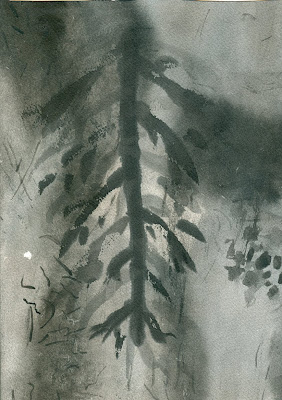
 Reciprocal Interference: Mary Grehan and Carol Archer 3, 2008
 Picture 17
 Reciprocal Interference: Even Mak and Carol Archer 2, 2008
 Picture 18
 Reciprocal Interference: Mary Grehan and Carol Archer 4, 2007
 Picture 19
 Reciprocal Interference: Sue Taylor and Carol Archer 4, 2006
 Picture 20
 Reciprocal Interference: Sue Taylor and Carol Archer 5, 2007
 Picture 21
 Reciprocal Interference: Even Mak and Carol Archer 3, 2008
 Picture 22
 Reciprocal Interference: Sue Taylor and Carol Archer 6, 2006
Collection: Magdaline Shenton-Kaleido
 Picture 23
 Reciprocal Interference: Sue Rawlinson and Carol Archer 8, 2006
 Picture 24
 Reciprocal Interference: Sue Taylor and Carol Archer 7, 2006
 Picture 25
 Reciprocal Interference: Sue Rawlinson and Carol Archer 9, 2006
 Picture 26
 Reciprocal Interference: Johanna Trainor and Carol Archer 3, 2008
 Picture 27
 Reciprocal Interference: Johanna Trainor and Carol Archer 4, 2008
 Picture 28
 Reciprocal Interference: Mary Grehan and Carol Archer 5, 2007
Wednesday, June 04, 2008
Reciprocal Interference Project: Collaborations opens at Newcastle’s Podspace Gallery on Thursday 17 July, 2008.
 Images from left to right: Carol Archer and Sue Rawlinson (mixed media on paper), Carol Archer and Mary Grehan(mixed media and moth's wing on paper), Carol Archer and Johanna Trainor (watercolour and photomedia), Carol Archer and Even Mak (acrylic on paper), Carol Archer and Sue Taylor (mixed media on paper) , all A4 sized. To look at the evolution of each collaboration, and works in various stages of their progress, go to www.rawlinsonarcher.blogspot.com, www.grehanarcher.blogspot.com, www.trainorarcher.blogspot.com, www.makarcher.blogspot.com, www.taylorarcher.blogspot.com
 Reciprocal Interference Project: Collaborations opens at Newcastle’s Podspace Gallery on Thursday 17 July, 2008. Each piece in the exhibition is by Hong Kong-based artist Carol Archer and one other artist: Sue Rawlinson (Bondi), Sue Taylor (Canberra), Johanna Trainor (Newcastle), Mary Grehan (Ireland), Even Mak (Hong Kong). The first of these collaborations began in 2005, the others in 2006. Packages of works-in-progress have been bouncing back and forth ever since. No written instructions or descriptions arrive with the pictures – the conversation proceeds by means of the visual language in the works.
Reciprocal Interference? The phrase comes from Henri Bergson’s essay on laughter. When “two altogether independent series of events” come together, it may generate a comic effect, “the precise formula of which is very difficult to disentangle, by reason of the extraordinary variety of forms in which it appears”. Like the ingredients of a good joke, the works in the Reciprocal Interference Project are extremely diverse and could not have been predicted by their makers. Two artistic sensibilities meet in each work. Each picture results from a challenge posed by one artist and an answering visual intervention by the other. Process is important: these pictures could not have come into existence in any other way. A series of blogs, each highlighting the work-in-progress of a particular collaboration forms the virtual component of the project. Specific blog addresses are listed to the right of your screen.
The exhibition ends on Saturday 2 August.
Reciprocal Interference? The phrase comes from Henri Bergson’s essay on laughter. When “two altogether independent series of events” come together, it may generate a comic effect, “the precise formula of which is very difficult to disentangle, by reason of the extraordinary variety of forms in which it appears”. Like the ingredients of a good joke, the works in the Reciprocal Interference Project are extremely diverse and could not have been predicted by their makers. Two artistic sensibilities meet in each work. Each picture results from a challenge posed by one artist and an answering visual intervention by the other. Process is important: these pictures could not have come into existence in any other way. A series of blogs, each highlighting the work-in-progress of a particular collaboration forms the virtual component of the project. Specific blog addresses are listed to the right of your screen.
The exhibition ends on Saturday 2 August.
Subscribe to:
Posts (Atom)


